When planning a trip—whether for business, leisure, or an extended stay—choosing the right accommodation plays a crucial role in your overall experience. Two of the most popular options are serviced apartments and hotels. While both offer comfort and convenience, they cater to different travel styles and needs. Understanding their differences can help you make the best choice for your trip.
What Are Serviced Apartments?
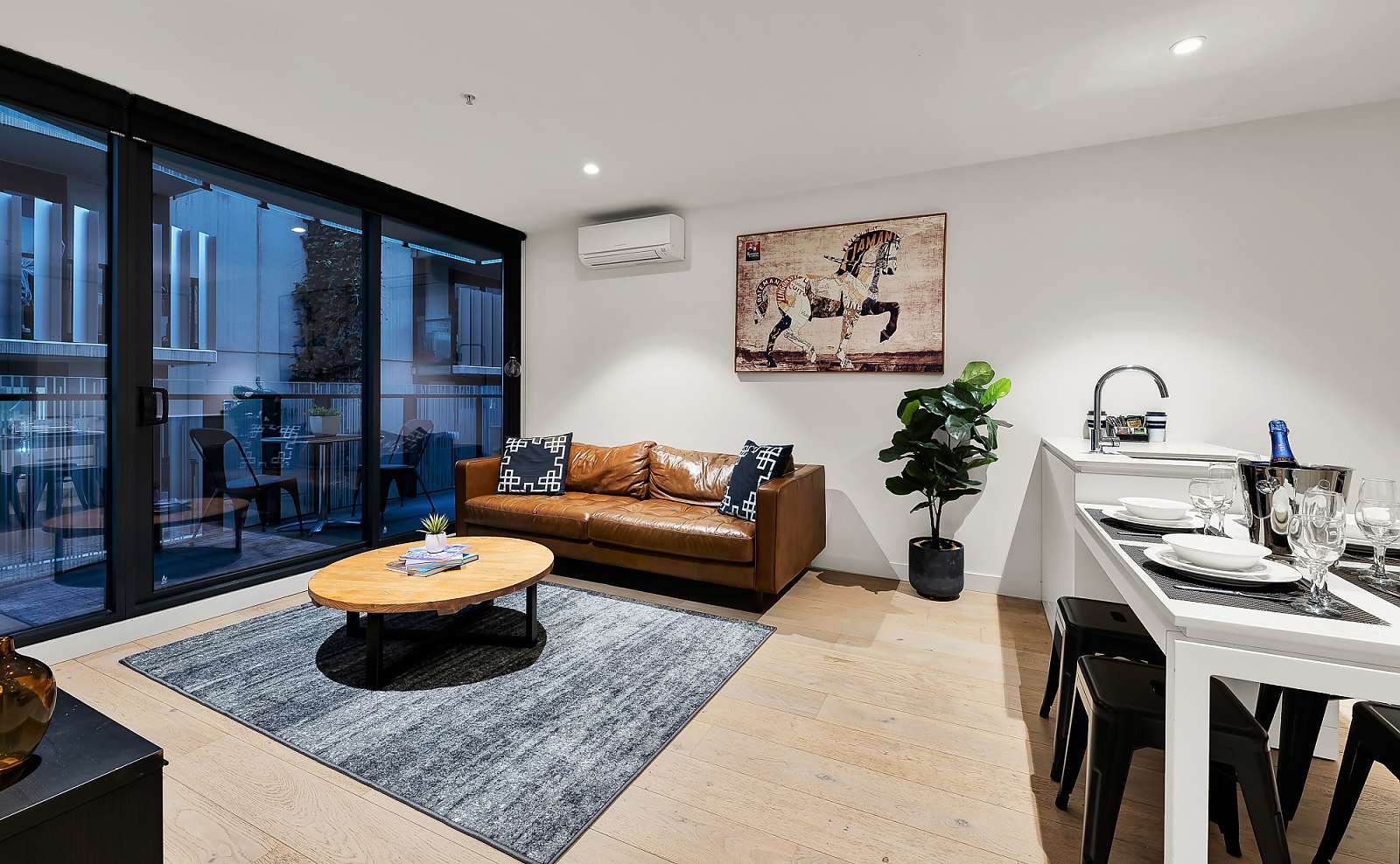
Serviced apartments are fully furnished, self-contained living spaces designed for short- and long-term stays. They typically include a bedroom, living area, kitchen, and laundry facilities, providing a home-like environment. Many also offer hotel-style services such as housekeeping, concierge, and on-site amenities like gyms or pools.
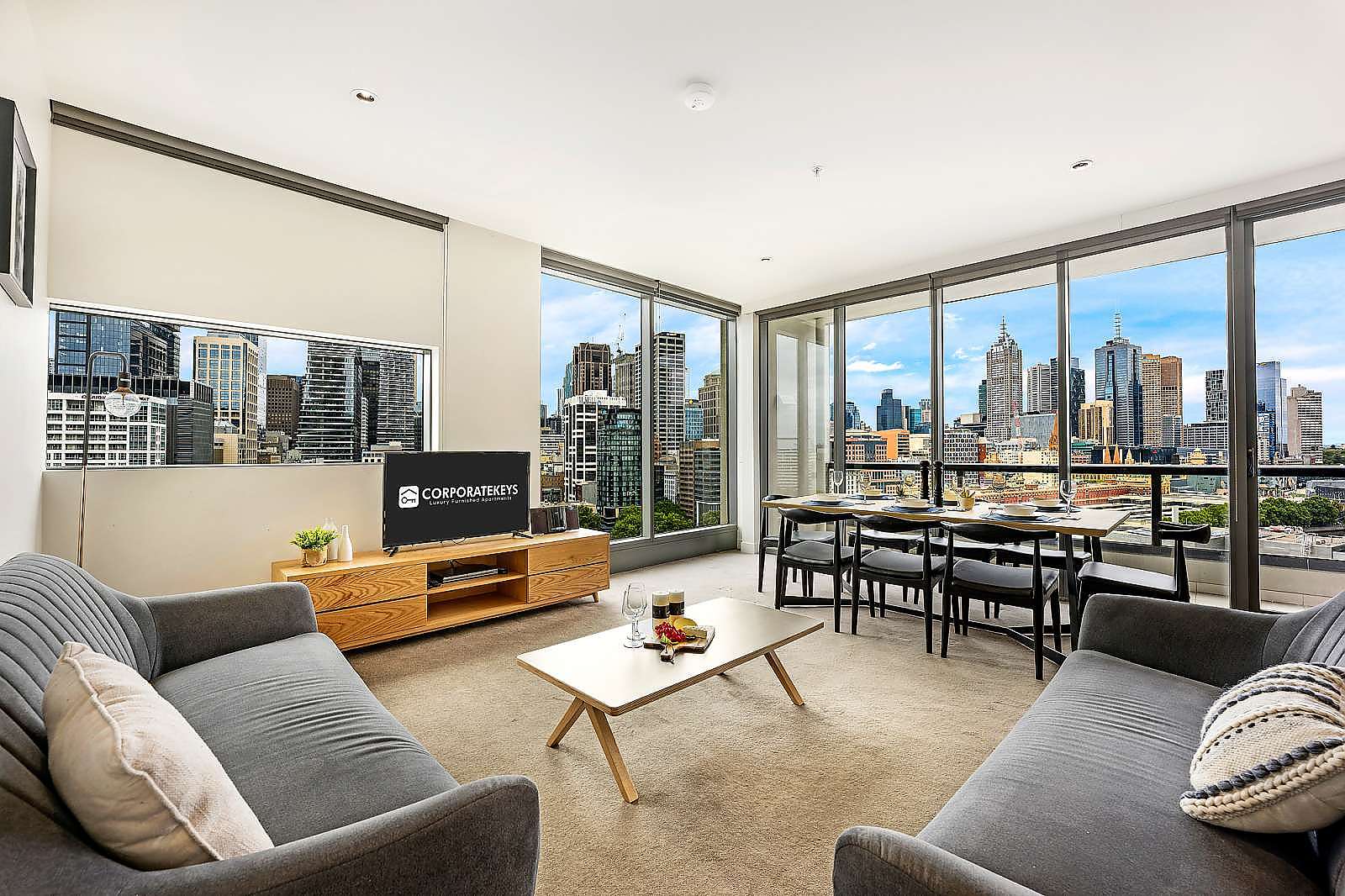
For travellers seeking flexibility and space, serviced apartments—especially fully furnished apartments in Melbourne CBD—offer a practical and comfortable alternative to traditional hotels.
What Are Hotels?
Hotels are designed primarily for short-term stays and offer a range of room types, from basic to luxury suites. They provide daily housekeeping, room service, and front desk assistance and often include amenities like restaurants, bars, and business centres.
Hotels are ideal for travellers who prefer convenience, consistency, and minimal responsibility during their stay.
Space and Comfort
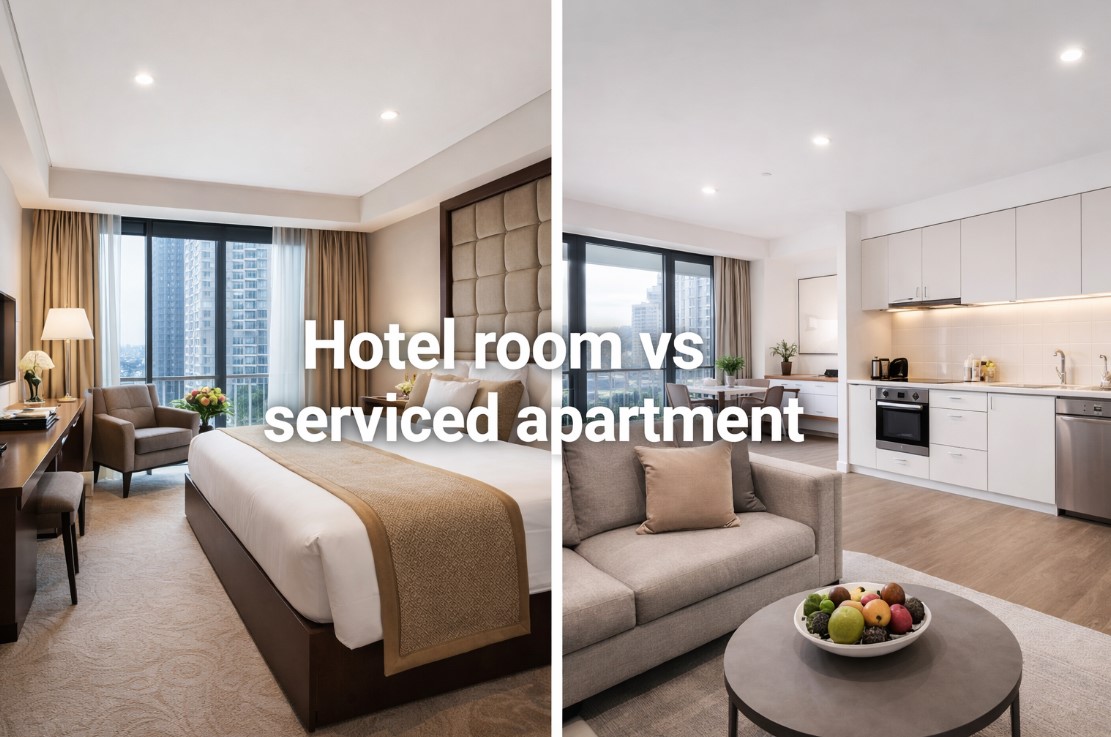
One of the biggest differences between serviced apartments and hotels is space. Serviced apartments typically offer significantly more room, with separate areas for sleeping, dining, and relaxing. This makes them ideal for families, groups, or travellers staying for extended periods.
Hotels, on the other hand, often provide compact rooms where everything is in one space. While this may be sufficient for short stays, it can feel restrictive over time, especially if you’re working remotely or travelling with others.
Flexibility and Lifestyle
Serviced apartments allow you to maintain your routine while travelling. With a fully equipped kitchen, you can cook your own meals, which is not only cost-effective but also beneficial for those with dietary preferences or restrictions. Laundry facilities also add convenience, particularly for longer stays.
Hotels offer a more structured experience. Meals are typically taken at restaurants or ordered via room service, and laundry services may come at an additional cost. While this can feel luxurious, it may not suit travellers who prefer independence.
Cost and Value
When comparing costs, the length of your stay is a key factor. Hotels may appear more affordable for short trips, but the costs can quickly add up with dining, laundry, and additional services.
Serviced apartments often provide better value for longer stays. With the ability to cook meals and do your own laundry, you can significantly reduce daily expenses. Many providers also offer discounted rates for extended bookings, making them a cost-effective choice.
Privacy and Independence
Serviced apartments offer a higher level of privacy, as they function more like a personal residence. You can come and go as you please without frequent interruptions. This is particularly appealing for business travellers, digital nomads, or anyone seeking a quieter environment.
Hotels, while secure and well-managed, involve more interaction with staff and other guests. Daily housekeeping and shared spaces can reduce the sense of privacy for some travellers.
Amenities and Services
Hotels excel in providing a wide range of services and amenities. From 24-hour reception and concierge services to on-site dining and spa facilities, hotels are designed to cater to your every need.
Serviced apartments also offer amenities, though they may vary depending on the property. Many include gyms, pools, and limited concierge services, but the focus is more on self-sufficiency rather than full-service hospitality.
Ideal for Different Travel Styles
Choose a hotel if:
- You’re staying for a short period (1–3 nights)
- You prefer daily services like housekeeping and room service
- You want easy access to dining and on-site facilities
- You value a more traditional hospitality experience
Choose a serviced apartment if:
- You’re staying for several days, weeks, or longer
- You want more space and a home-like environment
- You prefer cooking your own meals and doing laundry
- You value privacy, flexibility, and cost efficiency
The Best of Both Worlds
In many modern cities, serviced apartments are bridging the gap between hotels and residential living. They combine the comfort of home with the convenience of hotel-style services, making them an increasingly popular choice among travellers.
For example, fully furnished serviced apartments in Melbourne CBD offer premium locations, modern amenities, and the flexibility to suit both short and long stays. Whether you're visiting for work or leisure, they provide a balanced alternative that adapts to your lifestyle.
Final Thoughts
There’s no one-size-fits-all answer when it comes to choosing between serviced apartments and hotels. The right option depends on your travel style, length of stay, budget, and personal preferences.
If you value space, independence, and long-term comfort, serviced apartments are an excellent choice. If you prefer convenience, daily service, and a more traditional hospitality experience, hotels may be the better fit.
Ultimately, understanding your needs will help you select accommodation that enhances your travel experience—so you can focus on enjoying your journey, wherever it takes you.