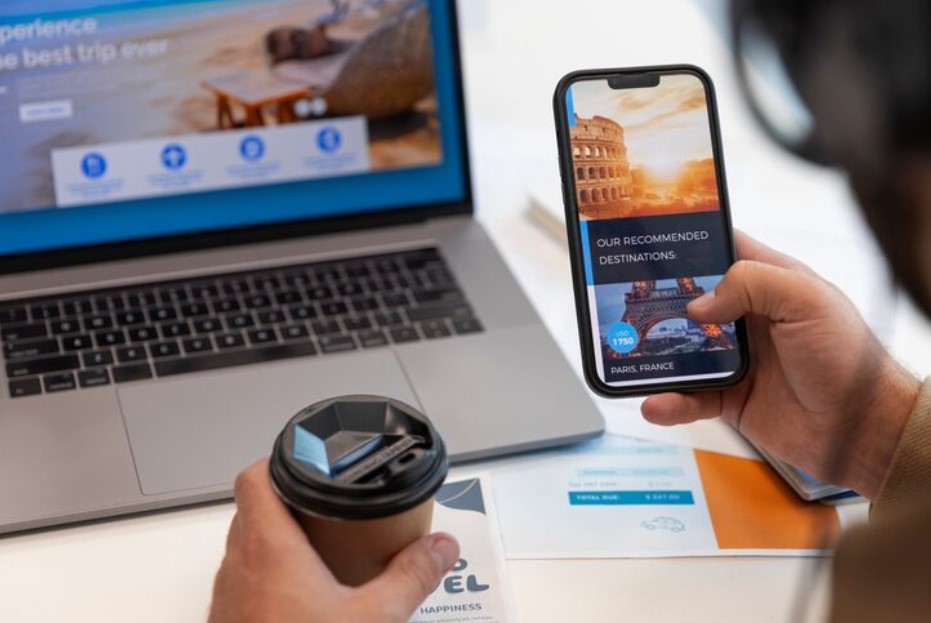
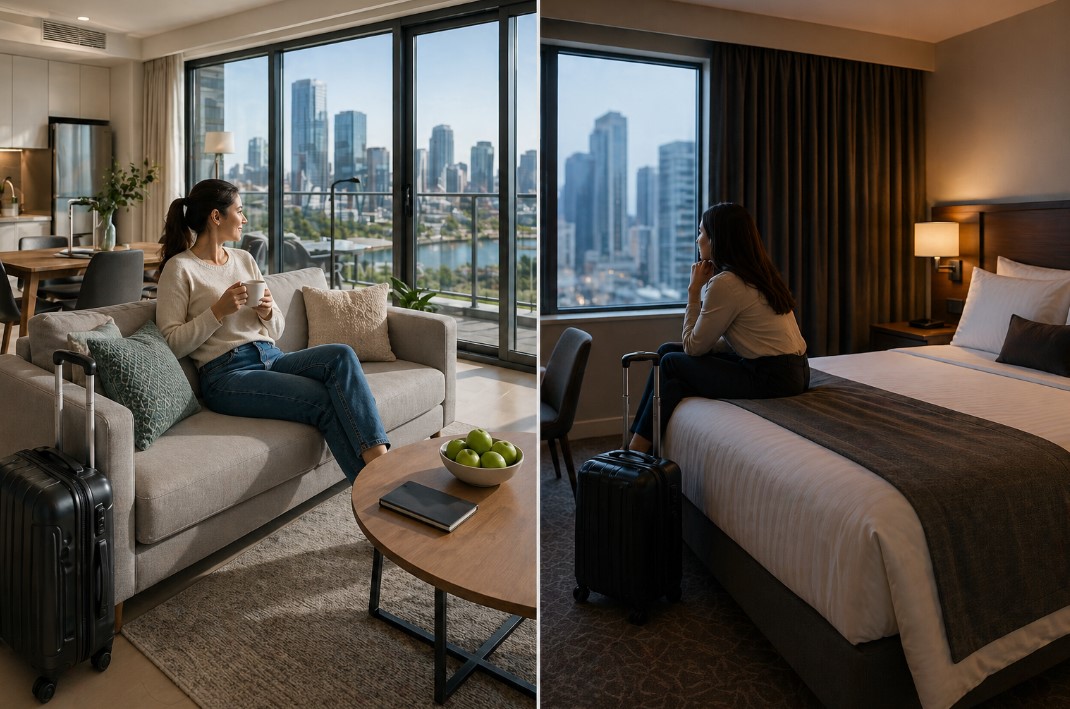
The way people book accommodation has changed dramatically over the past decade. What was once a process involving travel agents, phone calls, and lengthy comparisons is now a seamless, digital experience that can be completed in minutes. Technology has not only simplified booking—it has completely transformed how travellers discover, compare, and choose where to stay.
From mobile apps and online platforms to artificial intelligence (AI) and virtual tours, the accommodation industry is evolving rapidly to meet the expectations of modern travellers. Today’s guests demand speed, transparency, and personalisation—and technology is delivering on all fronts.
The Rise of Online Booking Platforms
One of the biggest shifts in the accommodation industry has been the dominance of online booking platforms. Websites and apps like Booking.com, Airbnb, and Expedia have made it easier than ever to search for accommodation across different locations, price ranges, and property types.
Travellers can now:
- Compare hundreds of options instantly
- Filter results based on preferences such as price, location, and amenities
- Read real guest reviews
- Book instantly with real-time availability
This level of convenience has significantly reduced reliance on traditional travel agents, giving travellers more control over their decisions.
Mobile-First Booking Experience
With smartphones now central to everyday life, mobile technology has reshaped how people book accommodation. Many travellers now research and book their stays entirely on their phones, often while on the go.
Mobile apps offer features such as:
- One-click bookings
- Digital wallets and secure payments
- Real-time notifications and updates
- Easy access to booking confirmations and itineraries
This shift toward mobile-first experiences means accommodation providers must ensure their websites and booking systems are fully optimised for mobile users.
The Power of Reviews and Social Proof
Technology has also made transparency a key part of the booking process. Guest reviews, ratings, and user-generated content play a major role in influencing decisions.
Before booking, travellers often:
- Read multiple reviews across platforms
- Check ratings and photos from past guests
- Compare feedback on cleanliness, service, and location
This access to real experiences builds trust and helps travellers make more informed choices. For accommodation providers, maintaining strong online reviews has become essential for attracting bookings.
AI and Personalised Recommendations
Artificial intelligence is taking accommodation booking to the next level by offering personalised recommendations based on user behaviour.
AI can analyse:
- Previous bookings
- Search history
- Travel preferences
- Budget and timing
Using this data, platforms can suggest properties that are highly relevant to each user. This not only improves the booking experience but also increases the likelihood of conversion.
In addition, AI-powered chatbots are now commonly used to assist customers with inquiries, provide instant support, and even help complete bookings.
Virtual Tours and Visual Content
Another major technological advancement is the use of high-quality visuals, including virtual tours and 3D floorplans. Travellers no longer need to rely solely on descriptions—they can explore a property digitally before making a decision.
This is particularly valuable for:
- Long-stay bookings
- Corporate travel
- Relocation accommodation
Being able to visualise the space gives travellers greater confidence in their choice, reducing uncertainty and improving satisfaction.
Seamless Payments and Security
Technology has also made the payment process faster and more secure. With multiple payment options available—including credit cards, digital wallets, and even “buy now, pay later” services—travellers can complete transactions with ease.
Advanced security systems ensure that personal and financial data is protected, which is critical in building trust with users.
Additionally, automated invoicing and payment tracking make it easier for both guests and businesses to manage their bookings.
Direct Booking and Smart Websites
While third-party platforms remain popular, many accommodation providers are investing in their own websites to encourage direct bookings. Modern websites are equipped with smart booking engines that offer:
- Real-time availability
- Dynamic pricing
- Instant confirmation
- Special deals for direct customers
This allows providers to build direct relationships with guests and reduce reliance on external platforms.
In Melbourne, companies offering fully furnished serviced apartments are increasingly adopting these technologies to streamline bookings and enhance the customer experience. By integrating user-friendly booking systems with detailed property information, they make it easier for guests to find and secure the right accommodation for their needs.
Smart Technology Enhancing the Guest Journey
The role of technology doesn’t end at booking—it extends throughout the entire guest journey. Features such as contactless check-in, digital keys, and smart room controls are becoming more common.
These innovations:
- Reduce wait times
- Improve convenience
- Enhance safety and hygiene
For travellers, this creates a smoother and more enjoyable experience from arrival to departure.
The Shift Toward Flexible Booking
Modern travellers value flexibility more than ever, and technology is enabling this shift. Many platforms now offer flexible cancellation policies, easy date changes, and instant booking modifications.
This is especially important in today’s travel environment, where plans can change quickly. Flexible booking options give travellers peace of mind and encourage them to commit with confidence.
The Future of Accommodation Booking
Looking ahead, technology will continue to shape the way we book accommodation. Emerging trends include:
- Voice search and booking through smart assistants
- AI-driven travel planning
- Personalised pricing models
- Integration with broader travel ecosystems (flights, transport, experiences)
As these innovations evolve, the booking process will become even more intuitive, personalised, and efficient.
Final Thoughts
Technology has fundamentally transformed the accommodation booking process, making it faster, smarter, and more transparent than ever before. Travellers now have access to a wealth of information and tools that empower them to make confident decisions in just a few clicks.
For accommodation providers, embracing technology is no longer optional—it’s essential. Those who invest in digital innovation, user-friendly platforms, and personalised experiences will be best positioned to succeed in an increasingly competitive market.
As the industry continues to evolve, one thing is clear: technology will remain at the heart of how we discover, choose, and book accommodation in the years to come.