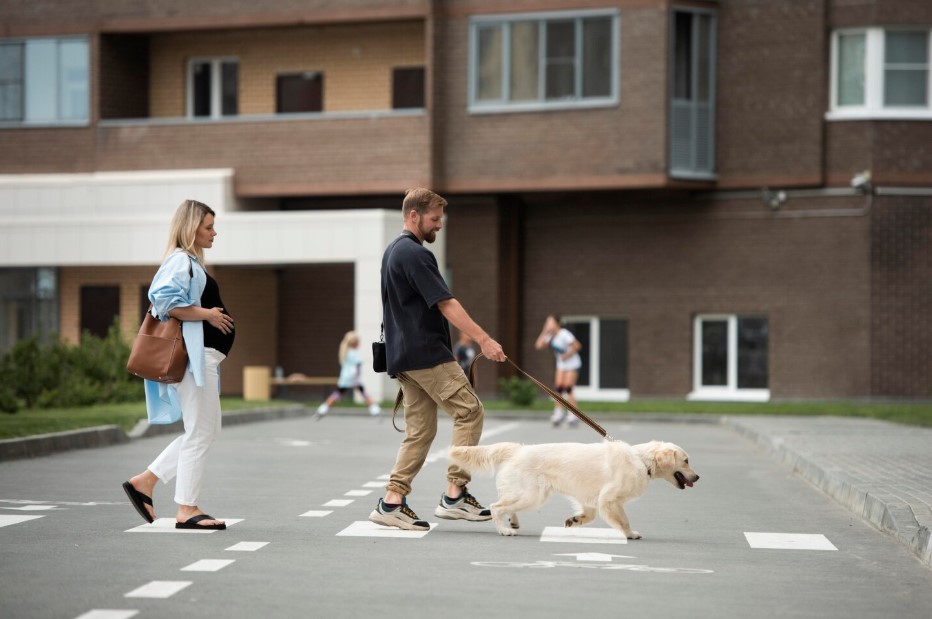
Living in an apartment with a dog can be a wonderful experience, but it also comes with responsibilities—especially when it comes to exercise and outdoor activity. Unlike dogs living in houses with large yards, apartment dogs rely heavily on daily walks to stay healthy, mentally stimulated, and happy. One of the most common questions apartment dog owners ask is: how often should you walk your dog? The answer depends on several factors, including your dog’s breed, age, energy level, and overall health. However, establishing a consistent walking routine is essential for maintaining your dog’s physical and emotional well-being.
Why Regular Walks Are Essential
Walking your dog is about much more than simply allowing them to relieve themselves. Regular walks provide vital physical exercise that helps maintain a healthy weight and strong muscles. Dogs that do not get enough exercise are more likely to develop obesity, joint problems, and other health issues.
Mental stimulation is another important benefit of daily walks. Dogs experience the world largely through their sense of smell, and walks allow them to explore new scents, sounds, and sights. This stimulation helps prevent boredom, which can often lead to unwanted behaviours such as chewing furniture, excessive barking, or digging.
For apartment dogs, walks are particularly important because indoor spaces are often smaller than houses with yards. A structured walking routine helps compensate for the limited space available indoors.
The General Rule for Walking Dogs
As a general guideline, most dogs should be walked at least two to three times per day. Each walk should typically last between 15 to 30 minutes, depending on your dog’s breed and energy level.
Smaller breeds or older dogs may only require shorter walks, while larger or more active breeds may need longer walks or additional exercise sessions. For example, breeds such as Border Collies, Labradors, and Australian Shepherds are known for their high energy levels and often require more frequent or longer walks to remain content.
In contrast, smaller companion breeds such as Pugs, Shih Tzus, or French Bulldogs may be satisfied with shorter but consistent daily walks.
Morning Walks Set the Tone for the Day
Morning walks are one of the most important outings for apartment dogs. After spending the night indoors, dogs need an opportunity to stretch their legs, relieve themselves, and release pent-up energy.
A morning walk also helps establish a routine that dogs quickly learn to anticipate. Dogs thrive on consistency, and knowing when they will go outside can reduce anxiety and restlessness.
Even a short morning walk of 15 to 20 minutes can make a big difference in your dog’s mood and behaviour throughout the day.
Midday Walks for Active Dogs
If your schedule allows, a midday walk can provide valuable exercise and break up long periods indoors. This is particularly beneficial for high-energy dogs or puppies that require more frequent activity.
For people who work long hours, hiring a dog walker or asking a neighbour or friend to assist can help ensure your dog gets the activity they need. Some apartment communities also offer nearby parks or walking paths that make midday walks more convenient.
Evening Walks Help Release Remaining Energy
Evening walks are another essential part of a healthy walking routine. After a full day indoors, dogs often have energy that needs to be released before bedtime.
A relaxed evening walk gives your dog the opportunity to unwind and explore while strengthening the bond between you and your pet. Many dog owners find that evening walks also help dogs sleep better at night because they have burned off excess energy.
Adjusting Walk Frequency by Dog Type
Every dog is different, and walking routines should be adjusted based on individual needs.
Puppies typically need shorter but more frequent walks because they have smaller bladders and bursts of energy.
Adult dogs usually benefit from two to three longer walks each day.
Senior dogs may require shorter and slower walks to accommodate reduced mobility or joint sensitivity.
Monitoring your dog’s behaviour can help determine whether they need more or less exercise. Signs that your dog may need more activity include restlessness, destructive behaviour, or excessive barking.
Additional Exercise Beyond Walking
While walking is essential, it should not be the only form of activity your dog receives. Playtime indoors, visits to dog parks, and interactive toys can provide additional mental and physical stimulation.
Apartment living may limit space, but creative activities such as training sessions, puzzle feeders, and indoor games can help keep dogs engaged between walks.
Many modern apartment communities and pet-friendly accommodation options also provide dog-friendly facilities such as walking areas or nearby parks, making it easier for residents to maintain a consistent exercise routine for their pets.
Final Thoughts
Walking your apartment dog regularly is one of the most important responsibilities of pet ownership. A consistent routine of two to three daily walks helps maintain your dog’s physical health, supports mental stimulation, and prevents behavioral issues caused by boredom or inactivity.
By paying attention to your dog’s breed, age, and energy level, you can develop a walking schedule that keeps them happy and healthy. Whether it’s a brisk morning stroll, a midday outing, or a relaxing evening walk, these daily moments outside are essential for ensuring your apartment dog lives a balanced and fulfilling life.