As pets grow older, their needs gradually change. Activities they once enjoyed may become more challenging, while comfort, accessibility, and familiar routines become increasingly important. For pet owners living in apartments, these changes can require thoughtful adjustments to ensure their ageing companions remain happy and healthy.
Fortunately, apartment living can offer several advantages for senior pets. With fewer stairs, manageable living spaces, and convenient access to everyday essentials, apartments can provide a comfortable environment for older dogs and cats.
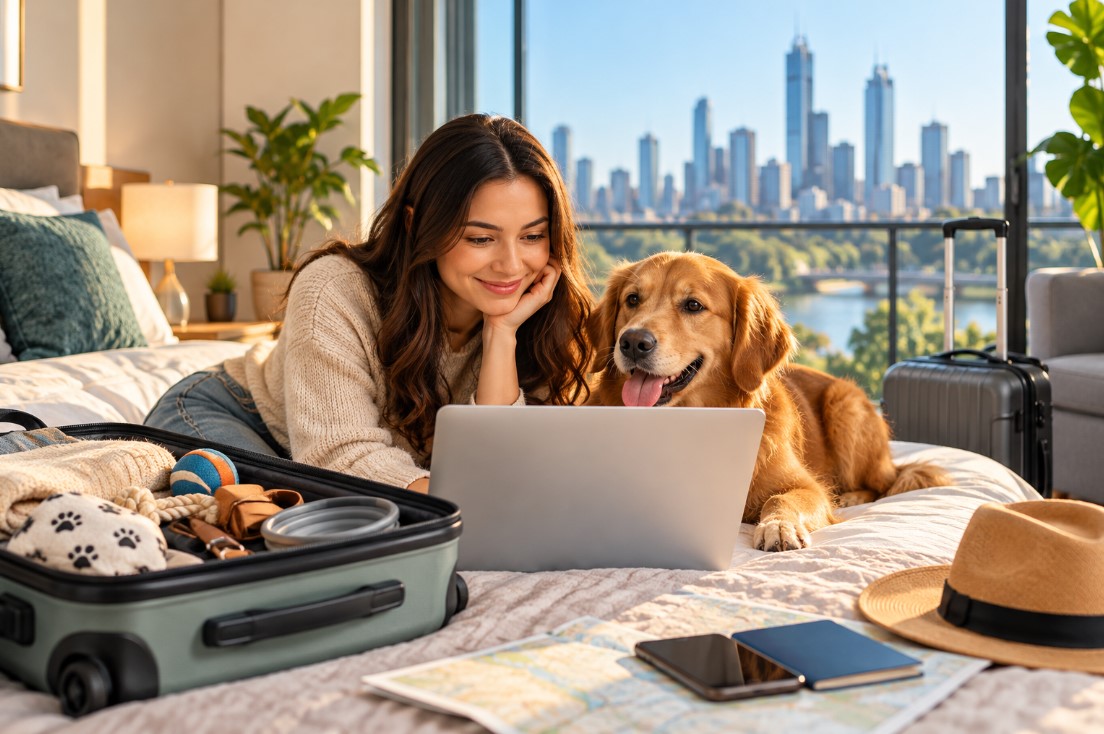
Whether you are relocating, downsizing, or planning an extended stay, understanding your senior pet's needs can help create a welcoming home throughout their golden years.
1. Create a Comfortable and Accessible Living Space
Older pets may experience reduced mobility, joint stiffness, or difficulty navigating furniture and stairs.
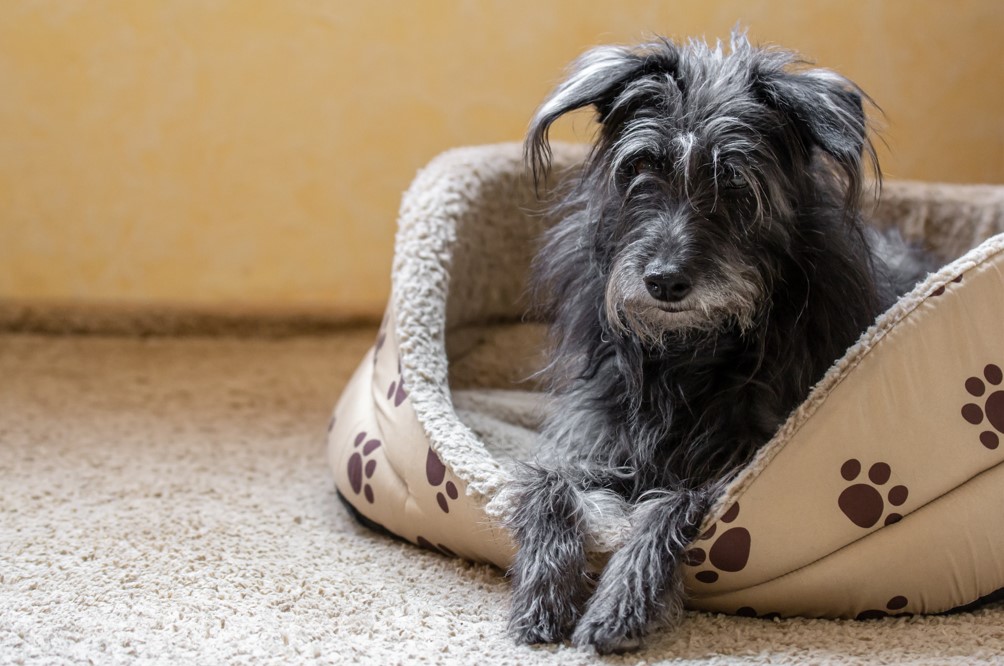
Providing a comfortable resting area is one of the simplest ways to improve their daily lives. Consider supportive bedding positioned away from draughts, excessive noise, and busy walkways.
Non-slip rugs can help prevent accidents on timber or tiled floors, particularly for dogs experiencing mobility difficulties.
For cats that enjoy elevated spaces, pet steps or ramps can provide easier access to favourite resting spots.
Small adjustments can make a significant difference in helping senior animals move confidently around their apartment.
2. Choose Accommodation That Supports Ageing Pets
The right accommodation can play an important role in your senior pet's comfort and wellbeing.
Apartments with lift access, minimal stairs, and convenient outdoor areas may be particularly suitable for older dogs.
For pet owners searching for pet-friendly serviced apartments in Melbourne, choosing a property with accessible facilities and nearby walking areas can make everyday routines easier.
Fully furnished apartments may also provide the convenience of established living spaces, kitchen facilities, and comfortable areas for relaxation.
Before booking, confirm the property's pet policy, accessibility features, and any additional requirements.
3. Adjust Exercise to Your Pet's Abilities
Exercise remains important for senior pets, but their activity levels may need to change as they age.
Instead of long, demanding walks, older dogs may benefit from shorter, more frequent outings that allow them to move comfortably.
Gentle exercise can help maintain mobility, support muscle strength, and provide mental stimulation.
For senior cats, interactive toys and low-impact play sessions can encourage movement without excessive physical strain.
Always consider your pet's health, energy level, and veterinary recommendations when planning activities.
4. Maintain a Consistent Daily Routine
Older animals often benefit from familiar routines, particularly when adjusting to a new home.
Regular feeding times, predictable exercise schedules, and consistent sleeping arrangements can help reduce unnecessary stress.
If you are moving into an apartment, introduce your pet gradually to its new surroundings.
Bring familiar bedding, toys, and feeding bowls to create a sense of security.
Avoid making several major changes at once, especially if your pet experiences anxiety or age-related cognitive changes.
A calm and predictable environment can help senior pets feel more comfortable.
5. Pay Attention to Nutrition and Hydration
As pets age, their nutritional requirements may change depending on their health, activity level, and body condition.
Some senior animals may require specialised diets, while others benefit from adjustments to portion sizes or feeding schedules.
Consult your veterinarian before making significant dietary changes.
Fresh drinking water should always be available, with bowls positioned in easily accessible locations.
For pets experiencing mobility difficulties, raised or strategically positioned bowls may make eating and drinking more comfortable.
Monitoring appetite, weight, and water consumption can also help identify potential health concerns.
6. Schedule Regular Veterinary Check-Ups
Preventive veterinary care becomes increasingly important as pets enter their senior years.
Older dogs and cats may be more susceptible to arthritis, dental disease, vision changes, and other age-related conditions.
Regular veterinary examinations can help identify developing problems and support appropriate treatment.
According to RSPCA Australia, responsible pet care involves meeting animals' physical and behavioural needs throughout their lives.
Pet owners should monitor changes in mobility, appetite, behaviour, and sleeping patterns.
Sudden or persistent changes should be discussed with a veterinarian rather than dismissed as normal ageing.
7. Provide Mental Stimulation and Companionship
Physical comfort is important, but mental wellbeing also plays a significant role in senior pet care.
Older animals can benefit from gentle enrichment activities that encourage curiosity and engagement.
Puzzle feeders, scent-based games, and short training sessions may help keep dogs mentally active.
Cats may enjoy accessible scratching surfaces, interactive toys, and comfortable window-side resting areas.
Spending quality time together also provides reassurance and strengthens the bond between pets and their owners.
Choose activities that match your pet's abilities and avoid situations that cause unnecessary stress.
8. Make Your Apartment Safe for Senior Pets
Age-related changes in vision, hearing, and mobility can increase the risk of household accidents.
Keep walkways clear of clutter and secure loose rugs to prevent slipping.
Ensure balconies and windows are appropriately secured, and avoid allowing pets access to unsafe elevated areas.
Night lights may help animals with reduced vision navigate familiar spaces.
For pets experiencing incontinence, washable bedding and easily cleaned flooring can make daily care more manageable.
These practical adjustments help create a safer and more supportive living environment.
Helping Senior Pets Enjoy Their Golden Years
Ageing does not mean pets must give up comfort, companionship, or an enjoyable lifestyle.
With thoughtful planning, accessible living spaces, appropriate exercise, and regular veterinary care, senior dogs and cats can continue thriving in apartment environments.
For pet owners relocating or enjoying an extended stay in Melbourne, selecting suitable pet-friendly accommodation can make caring for older animals more convenient.
Ultimately, helping senior pets thrive means understanding their changing needs and providing the patience, attention, and comfort they deserve.
A peaceful apartment filled with familiar routines and loving companionship can become the perfect place for pets to enjoy their golden years.