Living with pets in an apartment has become increasingly common, especially in cities where convenience, flexibility, and lifestyle amenities attract both professionals and families. While many pet owners want to provide the very best for their animals, it is easy to become overwhelmed by the endless range of pet products marketed as “must-haves.” From luxury pet beds to automated gadgets and designer accessories, modern pet ownership can quickly become expensive and cluttered.
The reality is that most pets do not need an excessive amount of equipment to live happily and comfortably in an apartment. Instead, the focus should be on safety, routine, comfort, and practical essentials that support a healthy daily lifestyle. Whether you are moving into a compact city apartment or a spacious serviced apartment, understanding what truly matters can help create a better environment for both pets and owners.
One of the most important essentials for apartment pets is a dedicated sleeping area. Dogs and cats benefit from having a quiet, comfortable space where they can relax and feel secure. A supportive pet bed suited to the size and age of the animal is usually more than enough. Orthopedic beds may be beneficial for older pets, while younger pets often prefer soft, washable bedding. Expensive designer beds are rarely necessary, particularly when comfort and practicality are the real priorities.
Food and water stations are another basic necessity. Durable, non-slip bowls placed in a consistent location help establish routine and reduce mess. Many apartment owners prefer elevated feeding stations for larger dogs to improve posture and comfort during meals. Fresh water should always be accessible, particularly in warmer months or during long indoor periods.
For cat owners, a good litter tray setup is essential in apartment living. Choosing the right location can significantly improve hygiene and minimise odours. Quiet laundry areas, bathrooms, or ventilated corners often work best. Covered litter trays may help reduce mess, although some cats prefer open designs. High-quality litter and regular cleaning are far more important than expensive litter accessories.
Exercise and mental stimulation are equally critical. One of the biggest misconceptions about apartment pets is that limited space automatically leads to unhappy animals. In reality, pets often adapt very well to apartment living when their physical and emotional needs are properly met. Daily walks, regular playtime, and interaction are far more valuable than large living areas alone.
Interactive toys can help prevent boredom, especially for pets left alone during work hours. However, owners do not need to purchase dozens of toys. A few durable chew toys, puzzle feeders, scratching posts, or rotating play items are typically sufficient. Overloading pets with constant new toys may actually reduce engagement over time.
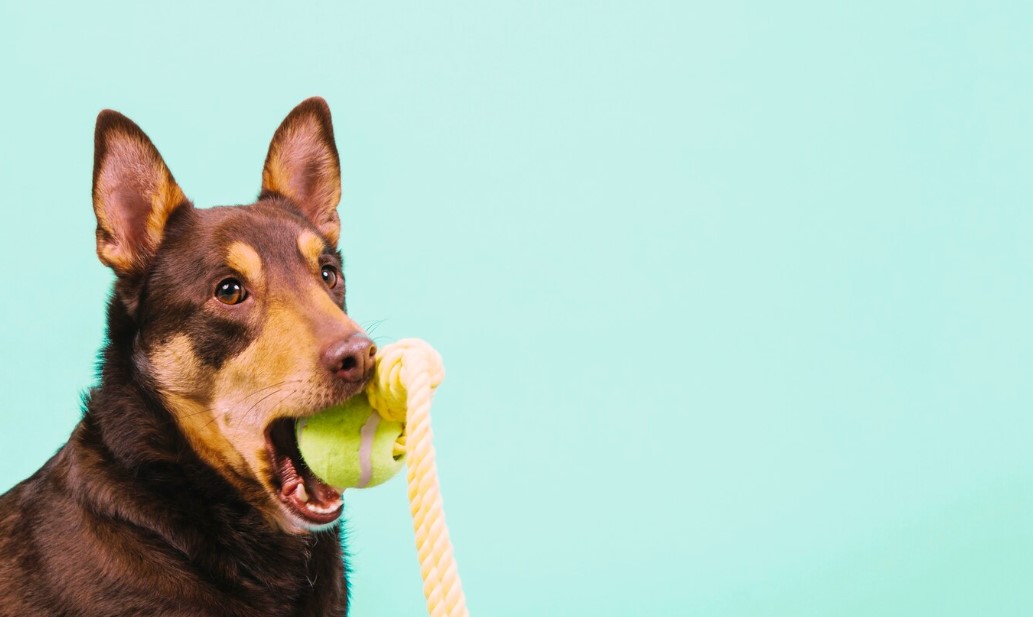
For dogs, safe chew toys designed specifically for dental health are a better option than household items or overly abrasive materials. Recent warnings from veterinarians about tennis balls causing dental wear have encouraged many owners to rethink traditional dog toys and choose softer, pet-safe alternatives instead.
Apartment safety should also be a priority. Balconies must be secured properly, particularly for small dogs and cats. Window locks, safety screens, and secure railings can prevent serious accidents. Toxic indoor plants, loose electrical cords, and accessible cleaning products should also be carefully managed in smaller apartment spaces where pets are naturally more curious.
Another commonly overlooked essential is routine. Pets thrive on consistency, especially in apartments where indoor environments are more controlled and predictable. Regular feeding schedules, walking times, and sleep routines help reduce anxiety and behavioural problems. Many apartment pets become highly comfortable and relaxed simply because they receive structured daily attention.
One area where many owners overspend unnecessarily is on pet clothing and fashion accessories. While coats may be helpful for small or short-haired dogs during colder months, most pets do not require extensive wardrobes. Similarly, luxury pet strollers, decorative feeding stations, and excessive grooming accessories may look appealing online but often provide little practical value.
Technology products for pets have also become increasingly popular, including automatic treat dispensers, pet cameras, and smart feeders. While some of these devices can be useful for busy professionals, they are not essential for most households. Simple interaction, exercise, and companionship usually provide greater emotional benefits than expensive gadgets.
Storage is another important consideration in apartment living. Pet owners should aim to keep supplies organised and minimal. Multi-purpose furniture, hidden storage compartments, and washable surfaces can help maintain a clean and uncluttered environment. This is particularly useful in compact apartments where space efficiency matters.
The growing popularity of fully furnished pet-friendly apartments in Melbourne reflects changing attitudes toward urban pet ownership. More accommodation providers now understand that pets are part of the family and are adapting their apartments to suit modern lifestyles. Features such as nearby parks, pet-friendly flooring, secure balconies, and practical layouts have become highly desirable for renters and long-stay guests alike.
For travellers and relocating professionals, pet-friendly serviced apartments can also reduce stress by providing comfortable, ready-to-live-in environments without sacrificing the ability to bring pets along. Furnished accommodation in Melbourne offers flexibility while helping maintain routines that are important for animal wellbeing.
Ultimately, successful apartment living with pets is not about buying every new product on the market. It is about creating a balanced environment where pets feel safe, stimulated, and included in everyday life. Most animals value attention, routine, comfort, and companionship far more than luxury accessories.
By focusing on practical essentials instead of unnecessary clutter, apartment owners can create healthier, calmer, and more enjoyable living spaces for both themselves and their pets. As urban living continues to evolve, thoughtful pet-friendly apartment design and responsible ownership will remain central to helping pets thrive in modern city environments.