Global travel and tourism has reached another significant milestone, with investment in the sector exceeding A$1.5 trillion in 2025. According to the World Travel & Tourism Council’s (WTTC) latest Economic Impact Research Global Trends Report, investment reached approximately A$1.52 trillion, representing an 8.5 per cent increase compared with the previous year. It is the first time travel and tourism investment has passed this level since 2019, demonstrating renewed confidence in the industry and its long-term growth prospects.
Travel and Tourism Becomes an Economic Powerhouse
The investment milestone comes as travel and tourism continues to play an increasingly important role in the global economy. In 2025, the sector contributed approximately A$17.6 trillion to global GDP. The figures show that tourism is no longer simply about holidays and leisure. It supports an enormous ecosystem that includes aviation, accommodation, transport, hospitality, technology, events, infrastructure and professional services.
Investment is particularly important because it creates the capacity required to support future travel demand. New airports, improved transport links, modern hotels, serviced accommodation, digital booking platforms and destination infrastructure can make travel easier while creating employment and supporting local economies.
The momentum is expected to continue. WTTC forecasts that travel and tourism investment will grow by a further 5.9 per cent in 2026, reinforcing expectations that the sector will remain an important destination for both public and private capital.
Major Economies Lead Global Investment
Four countries are playing a particularly significant role in the investment boom. The United States, China, India and Saudi Arabia accounted for almost half of global travel and tourism capital investment during 2025, collectively contributing nearly A$760 billion. Their strategies demonstrate how infrastructure development, supportive government policies and private investment can work together to expand tourism.
China, for example, is continuing its ambition to become a major global tourism powerhouse. Its investment pipeline is expected to reach around A$611 billion by 2036. India is strengthening transport connectivity and developing new destinations, while the United States is benefiting from strong domestic travel demand and major international events. Saudi Arabia is also investing heavily through its Vision 2030 strategy, which includes major tourism and destination developments.
These investments have implications beyond leisure tourism. Better aviation connections, transport networks and accommodation infrastructure can also encourage international trade, corporate expansion, conferences and employee mobility.
Business Travel Benefits from Stronger Tourism Infrastructure
Corporate travel is an important part of this wider ecosystem. As companies expand into new markets, send employees on temporary assignments and organise conferences or project-based work, demand for practical long-stay accommodation continues to support the broader travel economy.
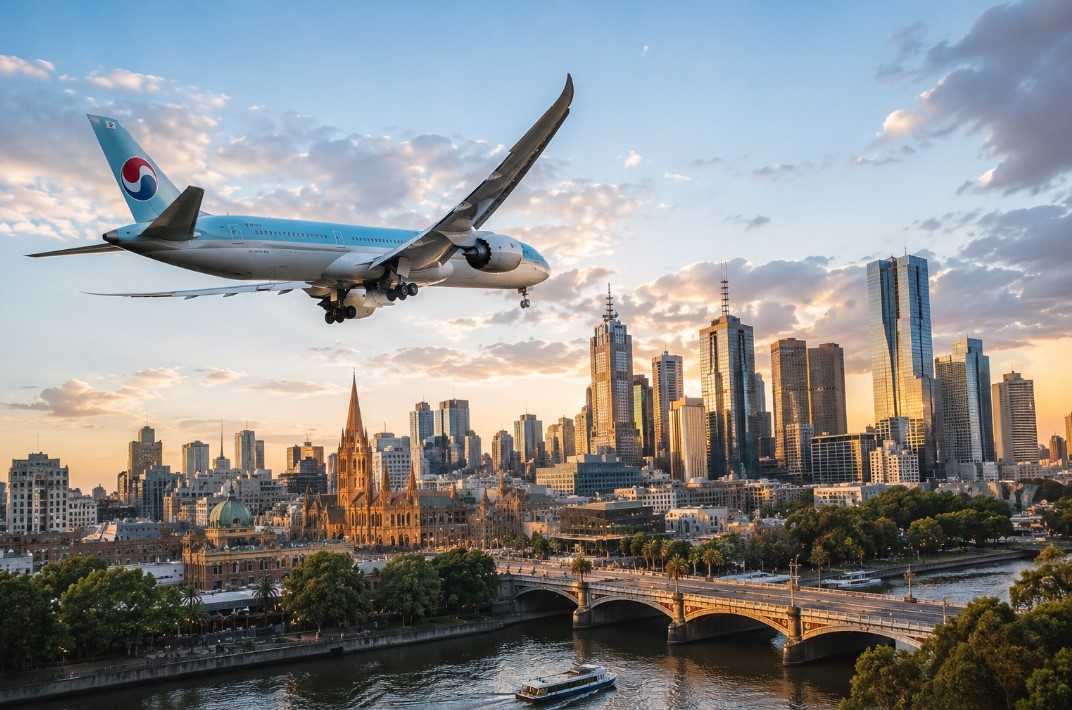
In major commercial destinations such as Melbourne, this creates opportunities for serviced and furnished apartment providers. Companies searching for accommodation for business travellers in Melbourne increasingly require more than a traditional hotel room. Longer assignments can make facilities such as kitchens, laundry areas, separate living spaces, Wi-Fi and convenient access to commercial districts particularly valuable. Investment in transport, aviation and visitor infrastructure can further strengthen the attractiveness of cities such as Melbourne for corporate travellers.
Spain Demonstrates the Value of Strategic Investment
Spain was highlighted by WTTC as an example of how sustained investment and government support can deliver strong tourism outcomes. Travel and tourism accounts for 15.3 per cent of the country’s GDP and supports approximately one in seven jobs. International visitor spending contributes around A$198 billion.
The country has benefited from investment in sustainability, digitalisation and infrastructure, supported partly through European Union recovery funding. Spain’s Tourism Strategy 2030 is also designed to improve competitiveness while encouraging tourism growth across different regions and seasons.
Other destinations are emerging strongly as well. Indonesia is forecast to become one of the fastest-growing outbound travel markets over the next decade, while the Netherlands is expected to experience particularly strong growth in tourism capital investment. Rwanda, Germany, Malta, Singapore and Thailand have also been recognised for their tourism performance.
Technology and Sustainability Shape the Next Phase
The next stage of travel growth will not depend on infrastructure alone. Technology, sustainability and workforce development are becoming increasingly important investment priorities.
Digital platforms have already transformed how travellers research, book and manage their journeys. Artificial intelligence and automation are creating further opportunities to personalise travel experiences, improve operational efficiency and help businesses respond more effectively to customer expectations. WTTC has highlighted smart infrastructure, digital innovation, sustainable destination management and skills development as important elements in maintaining the sector’s growth trajectory.
Sustainability will also influence where future investment is directed. Governments and tourism businesses face increasing pressure to balance visitor growth with responsible development, particularly in destinations experiencing high visitor numbers.
A Strong Outlook for the Next Decade
WTTC forecasts that travel and tourism could contribute approximately A$26 trillion to the global economy by 2036 while supporting almost 89 million additional jobs.
Challenges remain, including geopolitical uncertainty, economic pressures and changing traveller behaviour. However, the A$1.5 trillion investment milestone sends a powerful signal about confidence in the industry's future.
For destinations, accommodation operators and businesses connected to travel, continued investment presents significant opportunities. Stronger connectivity, improved infrastructure, innovative accommodation and better visitor experiences can support both leisure and corporate travel.
As governments and private investors continue to recognise tourism as a strategic economic driver, the industry appears positioned for another decade of expansion—creating jobs, supporting businesses and making global travel more accessible and connected.