Travel patterns have changed dramatically in recent years. While short vacations and quick business trips still exist, many travellers today are choosing longer stays in cities around the world. This shift has created a growing demand for long-stay accommodation that offers comfort, flexibility, and practical amenities suited to extended living.
From remote work opportunities to medical travel and relocation, a variety of social and economic trends are influencing how people travel and where they stay. Long-stay accommodation, including serviced apartments and extended-stay residences, has emerged as a popular solution for travellers who need more than just a temporary place to sleep.
The Rise of Remote and Flexible Work
One of the most significant factors driving the demand for long-stay accommodation is the global shift toward remote and flexible work. Advances in technology have made it possible for many professionals to work from virtually anywhere with a stable internet connection.
This flexibility has given rise to a new category of travellers often referred to as “digital nomads.” These individuals combine work with travel, staying in cities for weeks or months at a time while continuing their professional responsibilities.
Instead of traditional hotel rooms, remote workers often prefer accommodations that provide more space and practical living amenities. Access to reliable Wi-Fi, comfortable workspaces, and quiet environments are essential features that support productivity while living away from home.
Corporate Assignments and Business Relocation
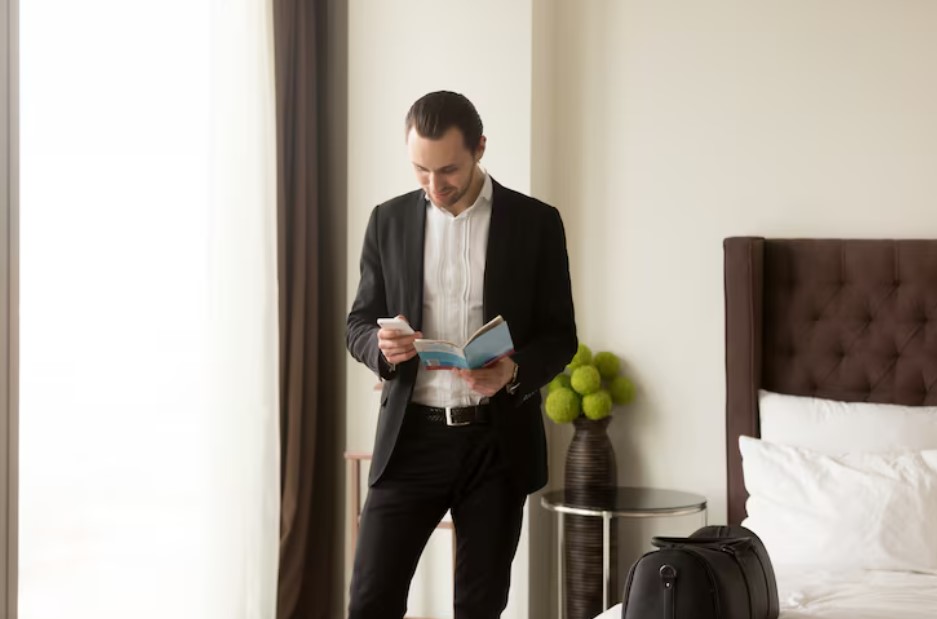
Long-stay accommodation is also increasingly popular among corporate travellers and professionals relocating for work. Companies frequently send employees to other cities or countries for project assignments, training programs, or temporary roles.
These assignments may last several weeks or months, making hotels less practical for extended stays. Many businesses now choose fully furnished serviced apartments for their employees because they offer the comfort of a home environment while still providing hotel-style services.
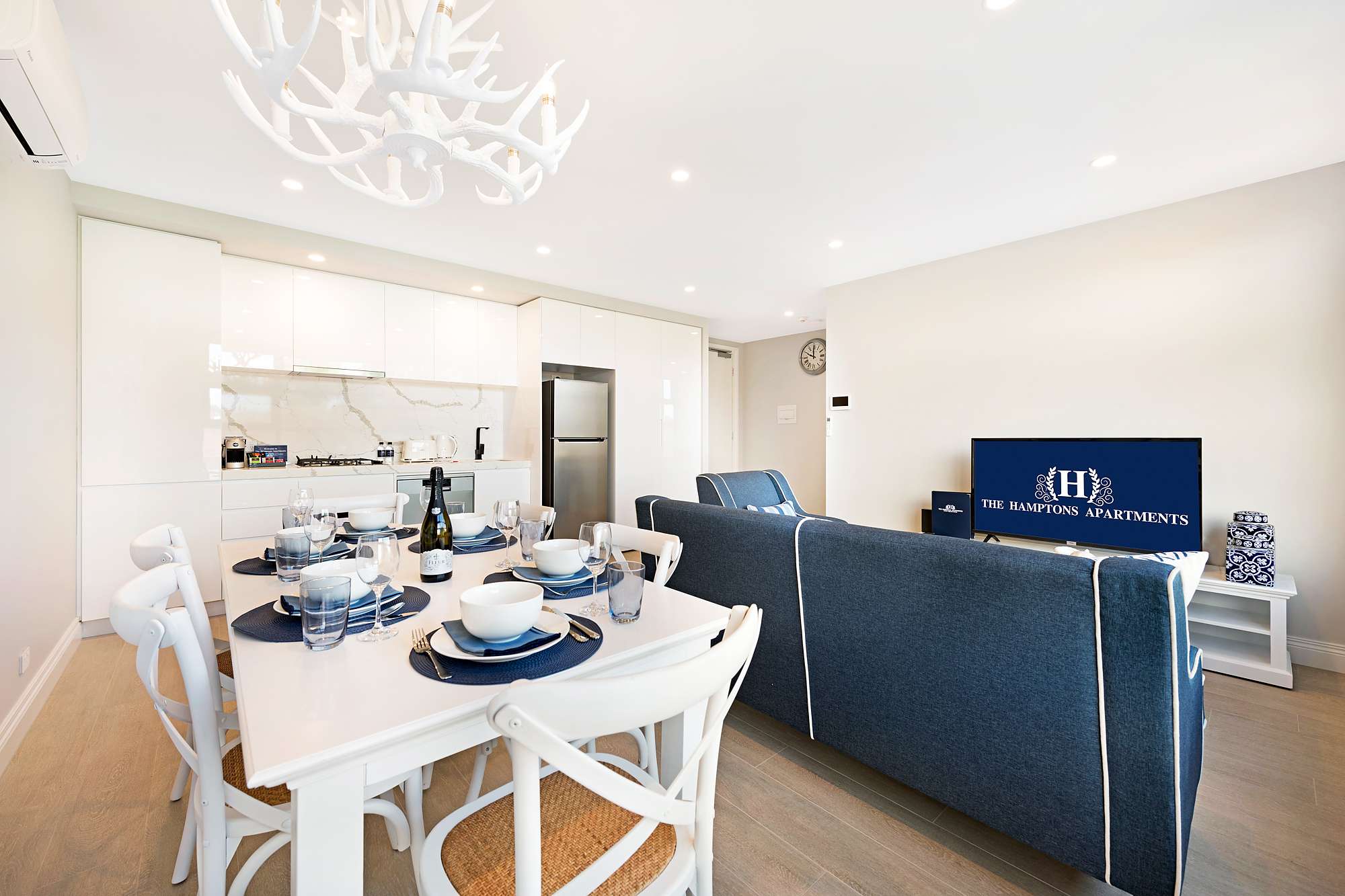
Serviced apartments typically include kitchens, living areas, and laundry facilities, allowing professionals to maintain normal daily routines during their assignments. The additional space also allows travellers to work comfortably from their accommodation.
Medical Travel and Hospital Visits
Another important trend contributing to the growth of long-stay accommodation is medical travel. Patients and families often travel to major cities to access specialised treatments or medical facilities.
These situations may require patients and caregivers to stay close to hospitals for extended periods. Hotels can quickly become expensive and impractical for such stays, particularly when patients need space to rest and recover.
Apartment-style accommodation provides a more comfortable environment for patients and their families. Having access to a kitchen, laundry facilities, and separate living spaces can make a significant difference during long treatment periods.
This type of accommodation also allows families to maintain routines and focus on supporting their loved ones during recovery.
The Appeal of Home-Like Living
Travellers staying in a city for longer periods often seek environments that feel more like home than traditional hotels. Long-stay accommodations typically provide living spaces designed to replicate everyday life.
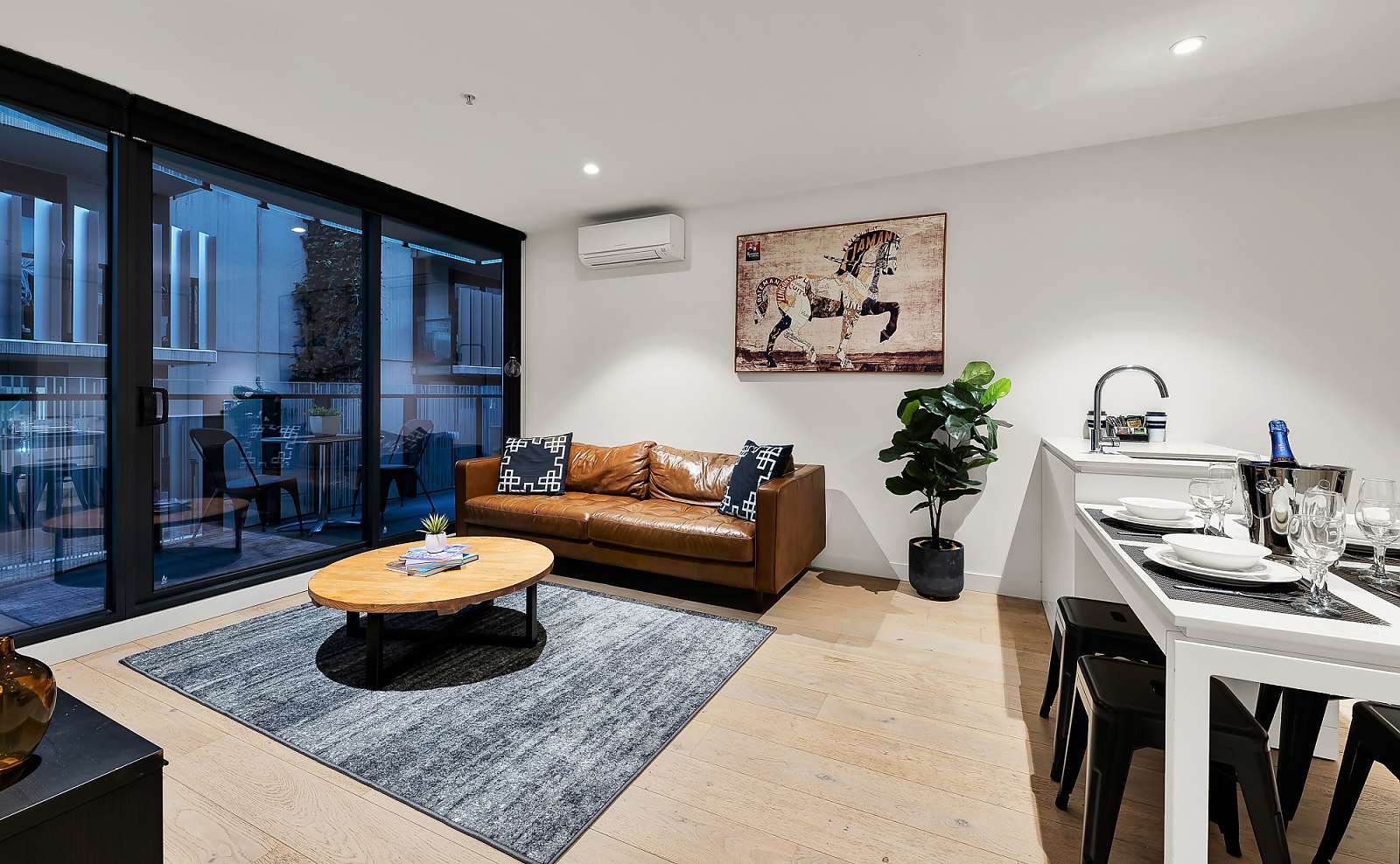
Instead of a single room, guests may have access to a full apartment with a bedroom, living room, kitchen, and sometimes even a balcony or outdoor area. These features allow travellers to cook meals, entertain guests, and enjoy personal privacy.
For many travellers, this home-like atmosphere helps reduce the stress and fatigue often associated with long trips. It also allows individuals to settle into a routine, which can be particularly valuable during extended stays.
Cost Efficiency for Extended Stays
Cost considerations also play a major role in the growing popularity of long-stay accommodation. Traditional hotels often charge daily rates that include services such as housekeeping, room service, and other amenities that may not be necessary for long-term guests.
Long-stay accommodations frequently offer discounted weekly or monthly rates, making them more cost-effective for extended visits. The ability to cook meals and manage daily routines independently can also reduce overall travel expenses.
For companies managing employee travel budgets or families relocating temporarily, these savings can be substantial.
Growth of Lifestyle and Leisure Travel
Lifestyle changes are also influencing the demand for longer travel experiences. Many travellers today prefer slow travel—spending more time in a single destination rather than moving quickly between multiple cities.
Longer stays allow travellers to explore neighbourhoods, experience local culture, and develop a deeper connection with the destination. This approach to travel is particularly popular among retirees, remote workers, and individuals seeking extended holidays.
As a result, accommodation providers are adapting their offerings to meet the needs of travellers who want both comfort and flexibility during longer visits.
The Evolution of Accommodation Options
The hospitality industry has responded to these trends by expanding the range of accommodation options available to travellers. Serviced apartments, extended-stay hotels, and hybrid hospitality models are becoming more common in major cities.
These accommodations combine the independence of apartment living with the convenience of hotel services. Guests can enjoy private living spaces while still benefiting from professional management, maintenance support, and optional housekeeping.
This hybrid model appeals to both business and leisure travellers who want the best of both worlds.
Final Thoughts
The demand for long-stay accommodation continues to grow as travel habits evolve and lifestyles become more flexible. Remote work, corporate relocation, medical travel, and lifestyle changes are all contributing to a shift toward extended stays.
Travellers increasingly value comfort, space, and the ability to maintain everyday routines while away from home. Long-stay accommodation options such as serviced apartments provide a practical solution that meets these needs.
As cities become more connected and travel becomes more flexible, the trend toward extended stays is likely to continue—reshaping how people experience destinations and redefining what it means to feel at home while travelling.